

Integrating aircraft furniture into the living area
Aircraft furniture is often perceived in living spaces as technically oriented furnishings. Originating from a functional context, it differs from traditional home furniture. Nevertheless, aircraft furniture can be used in living spaces for extended periods and integrated into various living situations. This is primarily due to its design, choice of materials, and clear function.
Aviation design prioritizes a functional design language derived from technical requirements, rather than short-term furnishing trends. This foundation also influences its long-term usability.
Functional design of aircraft furniture
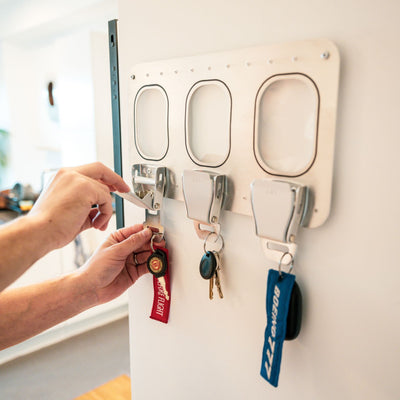
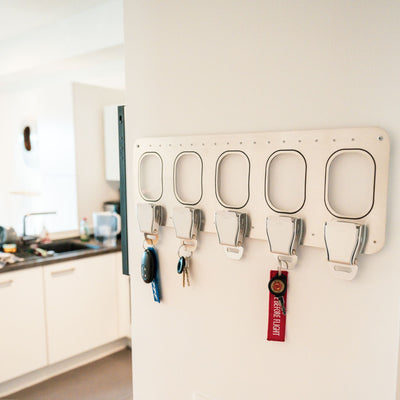
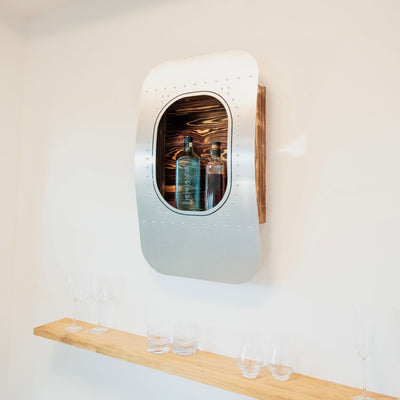
Aircraft furniture is based on components or design principles from the aviation industry. These include, among other things, aircraft windows, on-board trolleys, aircraft storage boxes, and interior trim elements from aircraft cabins. Their design follows clear functional requirements such as stability, weight, and safety.
This origin is reflected in the living area through:
-
Reduced forms without decorative additions
-
clear lines and comprehensible construction
-
Design without fashionable details
These features ensure that aircraft furniture remains understandable regardless of changing interior design trends.
Materiality and workmanship of aircraft furniture
In aviation, materials are used that are designed for durability and resilience. These qualities also characterize aviation furniture when used outside of aircraft.
Typical features include:
-
stable metal and composite materials
-
precise workmanship
-
Design focused on function
Aircraft windows as a constant design element
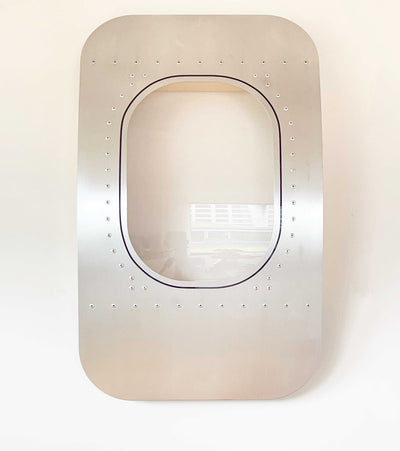
Aircraft windows have remained virtually unchanged in their basic form for decades. The oval geometry is a technical requirement and an integral part of aircraft construction. As a design element in residential spaces, aircraft windows adopt this consistent shape.
Distinguishing it from trend-dependent furniture
Many furniture pieces are geared towards short-term trends. Colors, surfaces, and shapes change frequently. Aircraft furniture follows a different principle. Its design was not created for the residential market, but for a technical application.
Through this:
-
They are less dependent on fashion trends.
-
They remain functionally classifiable
-
Can they be integrated into existing spaces in the long term?
Aviation furniture therefore exists outside of classic trend cycles.
Target groups and long-term relationship
Aircraft furniture is primarily aimed at people with a long-term connection to aviation. This includes pilots, flight attendants, and frequent flyers. Those interested in technology and design also appreciate the functional aesthetic. For these target groups, aircraft furniture is less a temporary furnishing element and more an integral part of a thematic connection to aviation.
Aircraft furniture can be used in living areas, for example, and is based on functional design, robust materials and clear forms. Aircraft windows and other aviation furniture are not based on short-lived trends, but on technical principles.

![[AI]](http://aircraftwindows.de/cdn/shop/articles/Geschenkideen_fur_Flugzeugfans_Piloten_und_Flugbegleiter_621c2d5b-2e36-409a-bc6c-0036a8d264c2.png?v=1791097405&width=1193)