

Differences between Aviation Design and Industrial Style
Aviation design and industrial style are often compared or even equated in interior design. Both styles incorporate technical elements, visible materials, and functional forms. However, they differ in their origins, impact, and design approach. Especially when considering aircraft furniture, a closer look at these differences is worthwhile in order to consciously choose one's own interior design style.
While the industrial style is largely derived from the architecture of old factories and workshops, aviation design has its roots directly in aviation. Aircraft furniture combines technology, function, and the spirit of travel into a unique design language.
What defines aircraft furniture in aviation design
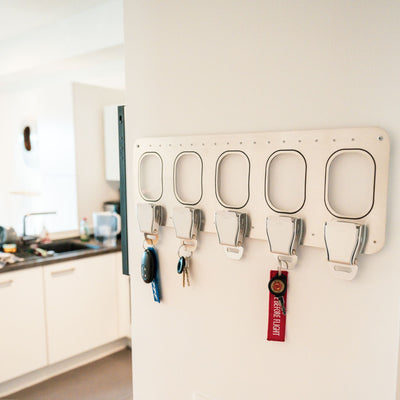
Aircraft furniture consists of originally functional components from aviation or reproductions based on them. These include, among other things, aircraft windows, on-board trolleys, and interior paneling from aircraft cabins. These objects were not designed for residential use, but for use in aircraft, where weight, stability, and functionality are paramount.
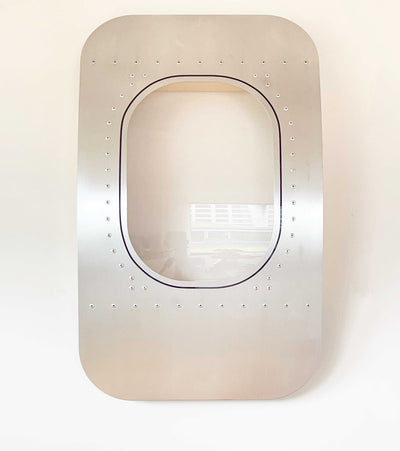
In aviation design, these qualities are deliberately left visible. Clean lines, aerodynamic shapes, and a minimalist design define the style. Aircraft windows as a design element exemplify this approach. Their oval shape fulfills technical requirements while simultaneously appearing harmonious and balanced.
Aviation furniture conveys not only a visual aesthetic, but also a story. It alludes to travel, mobility, and international connections – aspects that many people associate with aviation.
The Industrial Style and its characteristics
The industrial style originated from the repurposing of former industrial buildings. Exposed steel beams, concrete, raw surfaces, and robust materials characterize this style. Furniture in industrial design often appears heavy, solid, and deliberately unfinished. Signs of wear, patina, and rustic elements are part of the concept.
In contrast to aviation design, the industrial style focuses less on the idea of travel and more on the production process. Machines, workshops, and factory halls form the design backdrop. Furniture pieces are often large and dominant to reflect the character of industrial spaces.
Although both styles utilize technical elements, their emotional impact differs. While industrial design tends to appear rough and earthy, aviation design exudes lightness and movement.
Possible uses in the residential area
Both aviation design and industrial style can be used effectively in living areas. Aircraft furniture is ideal as accent pieces. An airplane window on the wall, a repurposed carry-on trolley, or an aviation-inspired piece of furniture in the living room create thematic focal points without overwhelming the space.
Aviation design often appears calmer and more structured. Its clean lines combine well with modern, minimalist furnishings. Even in smaller rooms, aircraft furniture makes a statement, as it appears visually less bulky.
The industrial style, on the other hand, often requires more space. Large furniture, dark colors, and solid materials are particularly effective in open-plan living spaces or lofts. In smaller rooms, this style can quickly become overwhelming.
Combining aviation style and industrial design
In practice, both styles can be combined. Aircraft furniture can serve as a unifying element, as it combines technical aesthetics with a clear design language. An aircraft window, for example, can provide a calm contrast to raw industrial materials such as concrete or steel.
A balanced approach is key. Aviation furniture should be deliberately placed to achieve its full effect. Too many different technical elements can create a cluttered look. Fewer, carefully selected pieces bring clarity to the room.
Who might find Aviation Design or Industrial Style suitable?
Aviation design appeals especially to people with a close connection to flying. Pilots, flight attendants, frequent flyers, and globetrotters find in aircraft furniture a way to subtly integrate their passion into their living spaces. Those interested in technology also appreciate the functional origins of this furniture.
The industrial style appeals more to people who appreciate the raw charm of old industrial buildings and prefer clean, robust materials. It conveys a sense of groundedness and power, while aviation design is often associated with vastness, movement, and wanderlust.
Both styles are not short-term trends, but rather expressions of personal preference. The crucial factor is which style better suits one's lifestyle.
Two styles, two stories
Aviation design and industrial style share technical roots but differ significantly in their impact. Aircraft furniture represents lightness, functionality, and the spirit of aviation. Industrial style emphasizes robustness, materiality, and industrial history.
For those who want to create deliberate accents and make the connection to aviation visible, aviation style offers a distinctive and understated alternative. Aircraft windows and other aviation-themed furniture can enhance living spaces without being obtrusive.