

Discarded aircraft parts
When a commercial aircraft makes its final landing, it's far from being "scrap." In aviation, hardly anything is simply discarded. Instead, a structured process begins, involving decommissioning, parts recovery, and material recycling. The goal is to reuse technically usable components and return valuable raw materials to the cycle. So, an aircraft doesn't disappear—it's dismantled step by step and repurposed.
Decommissioning and storage of aircraft
If an aircraft is no longer economically viable to operate – for example, due to high maintenance costs, new, more efficient models, or fleet changes – it is initially decommissioned. Such aircraft are often placed in special storage areas or long-term warehouses. Dry locations are preferred for this purpose, as low humidity slows corrosion and helps preserve components for longer. This facilitates later disassembly and the reuse of individual components. This phase is not for disposal, but rather for preparing the aircraft for future use as a source of spare parts.
Expansion of reusable components
The first technical step is the targeted dismantling of components that remain airworthy or economically viable. This process is often referred to as "part-out" and is standard practice in the industry.
Typically, the following are among the things that are expanded:
-
Engines and engine modules
-
Chassis components
-
Avionics and electronic systems
-
Generators, pumps and auxiliary equipment
-
Cabin and cockpit elements
These parts are inspected, documented, and—where permitted—reused as spare parts. The market for so-called "used serviceable parts" is an integral part of civil aviation. Many airlines use such components to optimize maintenance costs and ensure spare parts availability. This means that a component from a decommissioned aircraft can later be used in another aircraft.
Material separation and recycling of the structure
Once usable technology has been removed, what remains is the aircraft structure itself. This consists primarily of metal alloys such as aluminum, as well as steel, titanium, copper, and various plastics and composite materials.
The structure is separated into its material groups. Metals, in particular, are easily recycled. They are melted down and reused as raw materials in industry. This process is economically viable because high-quality alloys have a high material value.
Not every material can be recycled equally well – modern fiber composites, in particular, are more complex to recycle. Nevertheless, a large proportion of the classic metal structure is returned to the material cycle.
Second life outside of aviation
Besides spare parts and recycling, there is another way: the alternative use of aircraft parts outside of flight operations.
Certain components or structural elements are used as:
-
Training objects for technical training
-
Exhibits or museum objects
-
Film and studio sets
-
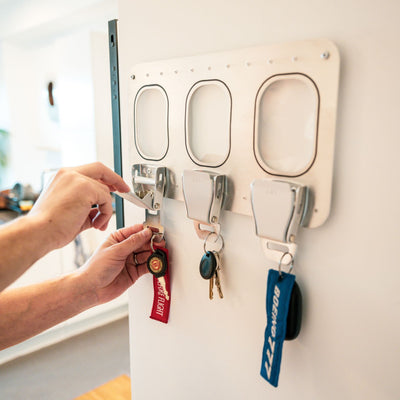
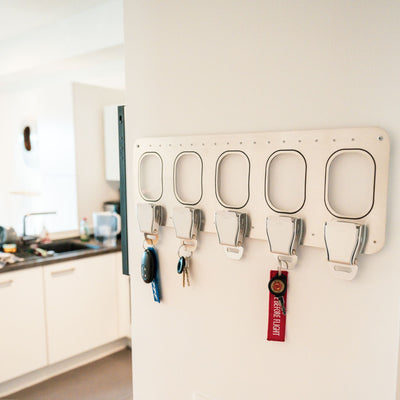
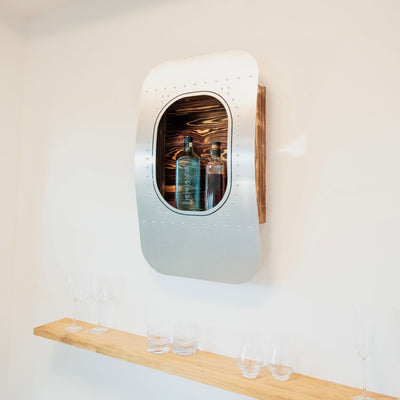
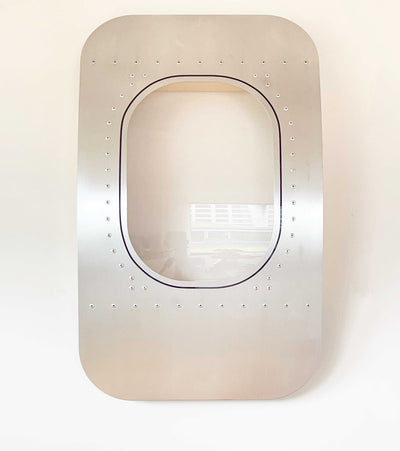
design elements in interior design or furniture design
This process often results in objects with emotional or design value. Parts originally intended for purely functional purposes are given a new context – no longer in the air, but in everyday life. Particularly in the areas of interior design and aviation lifestyle, it becomes clear that former aircraft parts carry not only material but also history.
From technical object to lifestyle element
For many people, that's precisely the appeal: an aircraft part represents not just function, but experiences. Travel, wanderlust, movement. When such elements later appear in living spaces as aircraft furniture, wall art, or design pieces, it's rarely about pure utility. It's about the connection to aviation. About memories. About the feeling of taking a piece of that world home. A decommissioned aircraft doesn't simply disappear. It's dismantled, reused, recycled, or reinterpreted – technically, economically, and sometimes emotionally.

![[AI]](http://aircraftwindows.de/cdn/shop/articles/Geschenkideen_fur_Flugzeugfans_Piloten_und_Flugbegleiter_621c2d5b-2e36-409a-bc6c-0036a8d264c2.png?v=1791097405&width=1193)