

From Commercial Aircraft to Aircraft Furniture
Every year, numerous aircraft are retired from service around the world. But what actually happens to an aircraft after it completes its final passenger flight? Are old aircraft simply scrapped, or do they take on a new purpose? In fact, the story of an aircraft often does not end with its final landing. Many aircraft are dismantled, recycled, or used as sources of spare parts. Some components even find their way into museums, hotels, or private homes. For aviation enthusiasts in particular, it is fascinating to see how individual parts of an aircraft continue to live on for many years after their flying career has ended.
Why Aircraft Are Retired
Commercial aircraft are designed for a long service life and often remain in operation for several decades. Nevertheless, even modern aircraft eventually reach the point where continued operation is no longer economically viable. Airlines often choose newer models that consume less fuel and require lower maintenance costs. At the same time, older aircraft require more extensive inspections and maintenance. As a result, many aircraft are retired even though they are still technically airworthy. In many cases, the decision is based less on the aircraft's age than on its economic efficiency.
Where Old Aircraft Go After Their Final Landing
After being retired, many aircraft are first transported to dedicated storage facilities. The large aircraft graveyards in the dry regions of the United States are particularly well known. The dry climate protects the aircraft from corrosion and allows them to be stored for longer periods. Some aircraft wait there to be sold, while others serve as sources of spare parts. Others remain in storage only for a short time before being dismantled. Images of these aircraft graveyards often show hundreds of parked aircraft and illustrate the scale of the global aviation industry.
How Aircraft Are Dismantled and Recycled
The dismantling of an aircraft takes place step by step. First, valuable components such as engines, electronics, cockpit instruments, landing gear, and seats are removed. Many of these parts can be inspected, overhauled, and later reused in other aircraft. The aircraft structure is then dismantled. Modern commercial aircraft are largely made of aluminum, titanium, copper, and other high-quality materials. A significant proportion of these raw materials can be recycled and reused. As a result, a large part of an aircraft remains part of the material cycle even after its active service life.
When Aircraft Parts Begin a Second Life
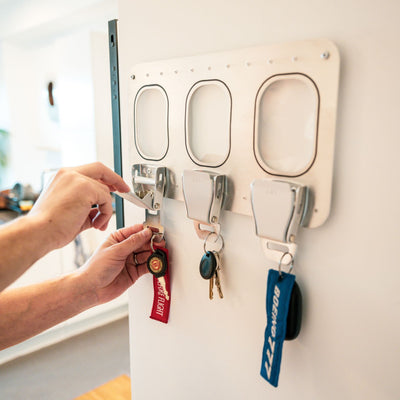
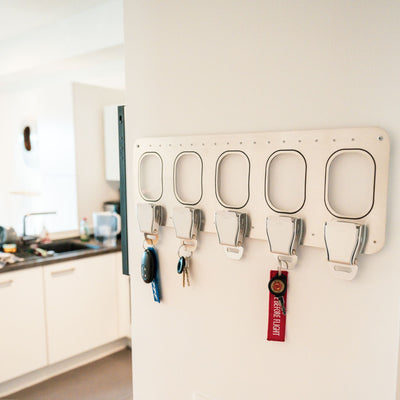
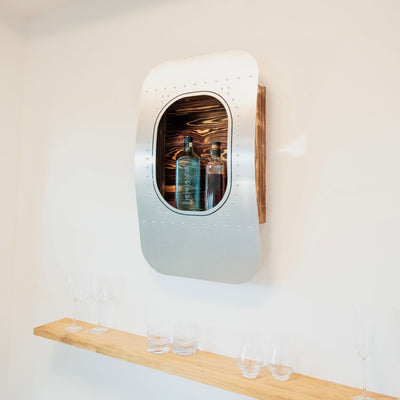
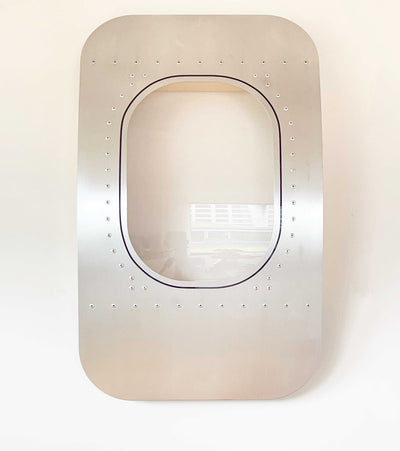
Not all aircraft components are recycled. Some parts are given a completely new purpose. Aviation enthusiasts are particularly interested in original aircraft parts that are used as collectibles or interior design pieces. Individual components can be transformed into aircraft windows used as wall decoration, aircraft galley boxes, aircraft trolleys, or other home furnishings with an aviation theme. In this way, a piece of aviation history is preserved and finds a place beyond the airport.
Why Old Aircraft Fascinate Aviation Enthusiasts
For many people, aircraft represent more than just technology. They also symbolize travel, wanderlust, and memorable experiences. Memories of holidays, long-haul flights, or looking out of the window above the clouds often stay with people for many years. This is exactly why former aircraft parts hold such a special fascination for aviation enthusiasts. They create a visible connection to the world of aviation and serve as reminders of the stories each aircraft experienced throughout its years of service.
Can Aircraft Be Completely Recycled?
Today, a large proportion of an aircraft can already be recycled. Metals such as aluminum, in particular, can be recycled very efficiently. More challenging are the modern composite materials used in many current aircraft types. Nevertheless, the aviation industry continues to develop recycling technologies in order to make as many materials reusable as possible. As the number of retired aircraft continues to grow, this topic is becoming increasingly important.

![[AI]](http://aircraftwindows.de/cdn/shop/articles/Geschenkideen_fur_Flugzeugfans_Piloten_und_Flugbegleiter_621c2d5b-2e36-409a-bc6c-0036a8d264c2.png?v=1791097405&width=1193)