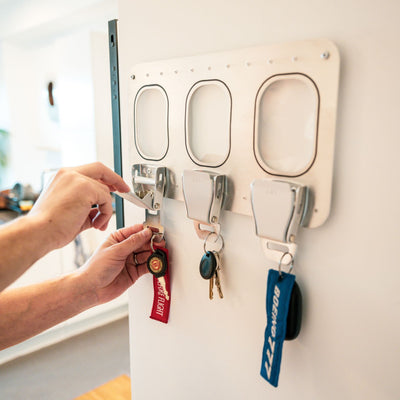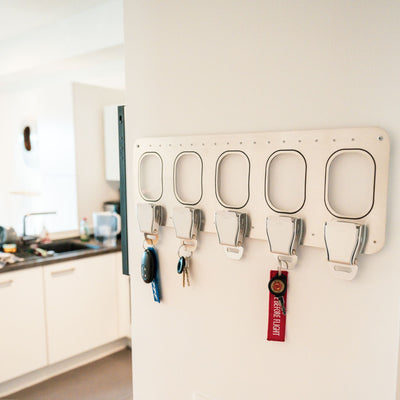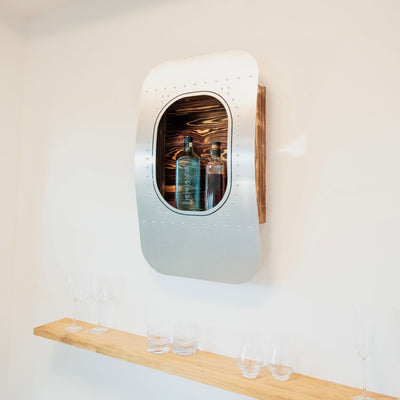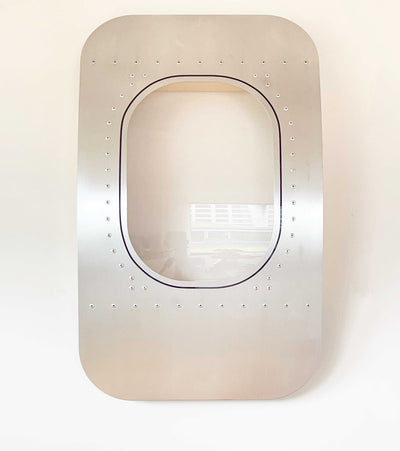


Typical airplane window shape
Airplane windows appear simple at first glance. Rounded corners, rather small, clearly defined. But this very shape is the result of very specific technical requirements – and not a design accident. What seems obvious today is the result of decades of experience in aircraft construction.
Pressure is the decisive factor
The most important reason for the shape of airplane windows is the cabin interior pressureAt cruising altitude, the air pressure outside is significantly lower than inside the cabin. This puts the fuselage under constant stress – and every opening in the fuselage is a structurally sensitive point. Round or strongly rounded windows distribute these forces more evenly than angular shapes. Sharp edges would create stress concentrations that could weaken the material in the long run. The typical window shape reduces precisely this risk.
Lessons from aviation history
In the early years of passenger flight, rectangular windows were occasionally used. It became apparent that material fatigue concentrated particularly at the corners. These findings had a lasting impact on aircraft design and led to the oval and round window shapes familiar today. Since then: The more evenly the load is distributed, the more durable and safer the structure will be.
Aircraft windows - more than just stability
Besides structural safety, other factors play a role in aircraft windows: Aircraft windows consist of several panes, each fulfilling different functions – such as pressure retention, protection, and insulation. The shape not only supports stability but also ensures controlled installation and reliable sealing. At the same time, the rounded design provides better viewing angles and a more even lighting effect inside the cabin – a side effect that is also valued from an aesthetic point of view.
Aviation technology that shapes design
What began as a technical necessity has long since developed its own aesthetic. The shape of aircraft windows is now synonymous with functional design: reduced, clear, and consistently focused on its purpose. It is precisely this approach that makes them interesting even outside of aircraft – for example, as a design element in interiors.
Airplane windows with sense and reason
Aircraft windows have their distinctive shape not for design reasons, but because it makes physical sense. Pressure distribution, material stress, and safety are paramount. The fact that this has become an iconic design element demonstrates how closely function and design are intertwined in aviation.

![[AI]](http://aircraftwindows.de/cdn/shop/articles/Geschenkideen_fur_Flugzeugfans_Piloten_und_Flugbegleiter_621c2d5b-2e36-409a-bc6c-0036a8d264c2.png?v=1791097405&width=1193)