

10 facts about aviation
Aviation involves many processes that passengers only peripherally perceive. Behind almost every signal, every movement, and every instruction lies a clearly defined purpose. Crew members act according to fixed standards that are recognized worldwide and enable the structured execution of a flight.
For aviation enthusiasts or those with a connection to the aviation industry, understanding these connections can be fascinating. Many seemingly mundane details have a technical or organizational significance that only becomes apparent upon closer inspection. This overview explains and contextualizes ten common observations from everyday aviation life.
1. Why do flight attendants sometimes sit backwards?
The seating direction of flight attendants is not freely chosen, but is part of the safety configuration of an aircraft type. Rear-facing seats allow for more stable absorption of certain forces during takeoff and landing. They also give crew members a better view of certain areas of the cabin. Depending on the aircraft model, there are also side-facing seats, which are likewise determined by technical requirements.
2. Why does the crew talk to each other on the phone?
The internal intercom system connects the cockpit and cabin, as well as different cabin areas. The crew uses this system to exchange information, coordinate procedures, and respond to passenger needs. The intercom thus eliminates the need to walk through the cabin and ensures clear communication during the flight.
3. Why are the cabin lights being changed?
During takeoff and landing, the lighting levels are adjusted so that the eyes can orient themselves to the brightness outside the aircraft. This makes it easier for crew and passengers to perceive their surroundings and aids in quick orientation in an emergency.
4. What does "crosscheck" mean?
"Crosscheck" describes the mutual verification of safety-relevant door configurations. After a crew member has secured or unlocked a door, the status is announced aloud. A second crew member then checks the setting and confirms it. This prevents a door from accidentally remaining in an incorrect state. This procedure is part of standardized door handling.
5. Why should window shades be open?
Many airlines require passengers to keep window shades open during takeoff and landing. This allows the crew to assess external conditions and detect changes early. Emergency responders also have a better view of the cabin from the outside in case of an unplanned situation.
6. Why are there different gong signals?
Gong signals are internal cues. A single gong can indicate an upcoming announcement, while specific sequences of tones signal crew procedures. The meaning of the tones varies depending on the airline, but remains standardized within a given aircraft type.
7. Why are the crew holding their hands behind their backs?
Many crew members hold their hands behind their backs during boarding because they carry the passenger counter there. This allows them to track the number of passengers as they board and compare it to the passenger list. The posture therefore serves a practical purpose.
8. Why does the crew sometimes check luggage?
The crew checks whether luggage can be stowed correctly. This includes considering size, weight, and positioning in the overhead compartments. The goal is to ensure the compartments are securely locked and stability is maintained during turbulence.
9. Why does the crew observe certain rows more closely?
Emergency exit rows and areas with special requirements demand extra attention. The crew ensures that safety regulations are followed in these areas and that passengers are prepared to cooperate in an emergency.
10. Why do pilots sometimes walk through the cabin?
In rare cases, pilots personally investigate noises or feedback reported from the cabin. This allows them to assess the situation firsthand. This step is not a standard procedure, but rather a supplementary measure.
Aviation knowledge for airplane enthusiasts
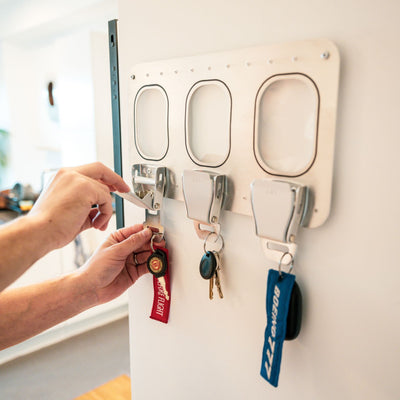
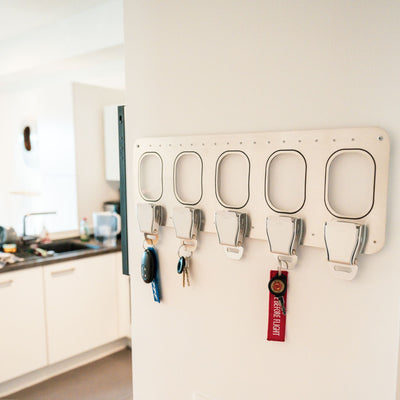
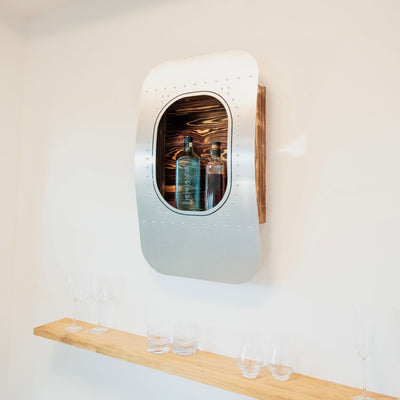
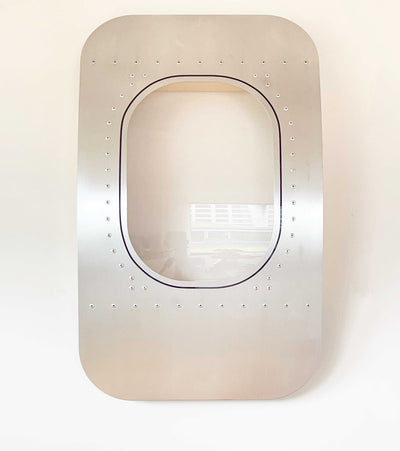
Aviation often appears complex and technically focused to outsiders. However, those interested in aircraft furniture, aviation design, or the work of the crew will discover many connections within these processes. Technical components such as aircraft windows or doors reflect the functional principles that remain recognizable as aviation elements in the home. This background information deepens the understanding of the design language and function of such objects.