

How aviation interiors can trigger wanderlust
Wanderlust often arises in everyday life – from gazing out the window, remembering past trips, or through certain moods and impressions. This is precisely where modern interior design comes in. Rooms can be designed to capture travel memories and create an atmosphere that goes beyond mere furnishings.
Travel-inspired living concepts They combine functionality with emotion. The aim is not to overload spaces with themes, but to selectively use elements that create a connection to places, experiences, and memories.
Travel Interior Design – Furnishings with a travel theme
Travel Interior Design describes an approach in which personal Travel impressions They are incorporated into the design of living spaces. Instead of classic decoration, the focus is on targeted accents that tell a story or convey a specific mood.
A minimalist design is typical, with individual elements deliberately placed. Colors, materials, and shapes are often inspired by landscapes, cities, or typical travel situations. This creates a space that is not merely furnished, but acquires a personal dimension.
Aircraft furniture and aviation style
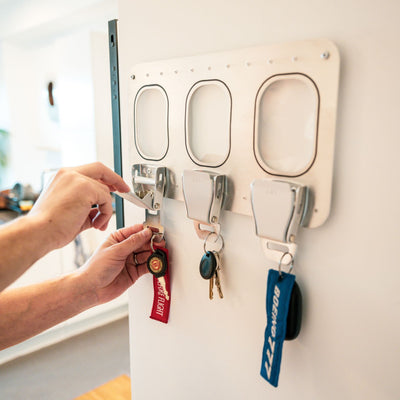
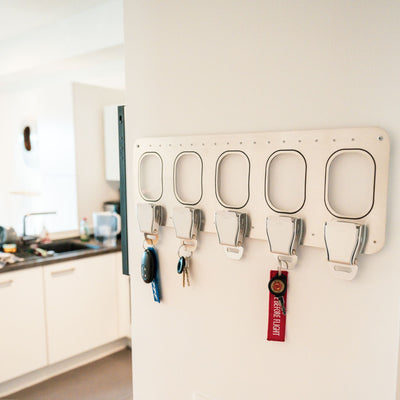
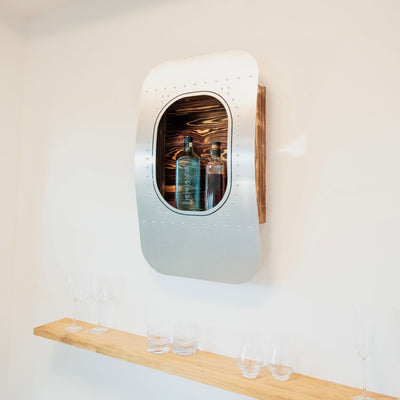
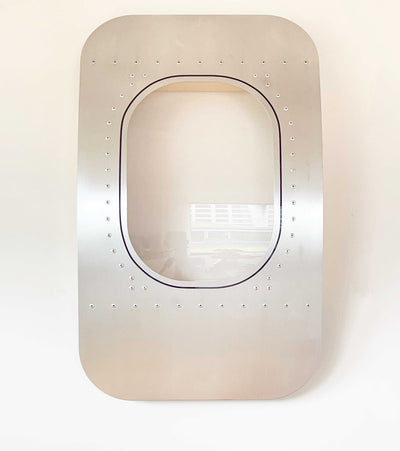
Aviation style is one possible expression of this concept. Here, design elements from aviation are integrated into the living space. These include aircraft-style furniture such as... Airplane window, aircraft trolleys or On-board boxes.
Such elements can be used to make a connection to travel visible. An airplane window on the wall can evoke typical views during a flight, while a aircraft trolley It can be used functionally. A balanced integration is important so that the room appears calm and uncluttered.
Colors, materials and light in aviation design
The effect of a room is not created solely by individual pieces of furniture, but by the interplay of fundamental design elements. Colors, materials, and light significantly influence the atmosphere.
Natural colors like beige, sand, blue, or gray evoke landscapes and create a calming atmosphere. Materials such as wood, metal, or textured fabrics capture different travel experiences. Indirect lighting can help create a harmonious ambiance reminiscent of evening moods or cabin lighting.
Minimalism in interior design
Travel-inspired decor can quickly become cluttered if too many elements are combined. A minimalist approach allows individual details to stand out more. A few carefully chosen objects create clarity and contribute to a calm and harmonious atmosphere. This approach often complements modern living concepts where structure and clarity are paramount.
Key design elements for travel interior design:
-
Subtle Color palettes with reference to nature and travel (e.g., sand, blue and grey tones)
-
Reduced selection of decorative elements instead of many small details
-
Use of materials with structure such as wood, metal or textiles
-
Indirect lighting to support a calm room atmosphere
-
Integration of individual Statement elements like airplane furniture
-
Clear lines and tidy surfaces for a calm overall effect
Typical elements in aviation style:
-
Airplane windows as wall decoration or design element
-
Aircraft trolleys as functional pieces of furniture in the living space
-
On-board storage boxes as compact storage solutions
-
Combination of metal, clean lines and minimalist design
This structured approach helps to create a coherent overall picture without overloading the space.
Emotional impact of spaces
Spaces influence our everyday perceptions more than they might initially appear. Certain elements can evoke memories and shape our moods. Travel-inspired interior design can help us mentally revisit positive experiences. This can be particularly relevant when living spaces are intentionally designed as retreats that offer both tranquility and inspiration.
Deliberately incorporating the feeling of travel into everyday life
Thoughtful interior design can help integrate travel memories into everyday life. Travel interior design, aviation style, and the use of aircraft furniture offer various approaches. Crucially, a balanced design with a clear structure is key. This creates a living space that remains functional while simultaneously conveying an atmosphere reminiscent of travel and special places.
![[AI] Flugzeug Bord Boxen für Wohnzimmer Schlafzimmer Büro und zu Hause](http://aircraftwindows.de/cdn/shop/articles/Flugzeug_Bord_Boxen_fur_Wohnzimmer_Schlafzimmer_Buero_und_zu_Hause.png?v=1791476944&width=1254)