

Cargo Flights vs. Passenger Flights – The Differences
Anyone who sees a large aircraft in the sky from an airport often cannot immediately tell the difference between a cargo flight and a passenger flight. In reality, however, the two types of flights differ in several ways. While passenger aircraft transport people to their destinations, cargo aircraft carry goods, parcels, machinery, and other freight around the world. Both types of flights are an essential part of international aviation, ensuring that people and goods can be transported quickly over long distances.
What Is a Passenger Flight?
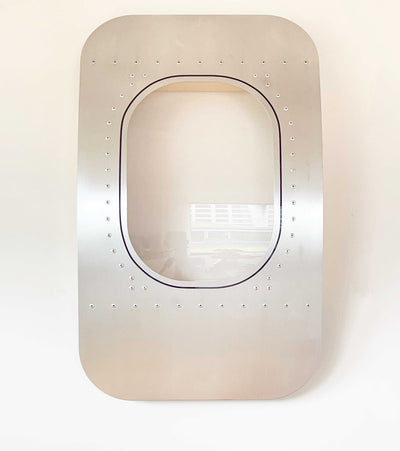
A passenger flight is designed to transport people. The cabin is equipped with passenger seats, overhead luggage compartments, galleys, and lavatories. Depending on the airline and aircraft type, several hundred passengers can travel on a single flight. For many people, passenger flights are associated with vacations, business trips, or visiting family and friends. Airports, boarding passes, and the view from an aircraft window are often closely connected with this way of traveling.
Typical features of a passenger aircraft include:
- Passenger seating
- Overhead luggage compartments
- Galleys
- Lavatories
- Cabin lighting
- In-flight entertainment systems
What Is a Cargo Flight?
Cargo flights transport freight instead of passengers. This includes parcels, spare parts, medical supplies, machinery, electronics, and food products. The aircraft are specially designed for this purpose and feature large cargo holds along with dedicated loading systems. Many cargo aircraft operate at night to ensure that goods reach distribution centers and airports around the world as quickly as possible. Without cargo flights, international supply chains would be significantly slower.
Differences Inside the Aircraft Cabin
The biggest difference is found inside the aircraft. While a passenger aircraft contains rows of seats and overhead luggage compartments, the interior of a cargo aircraft mainly consists of loading areas for cargo containers and pallets. Passenger aircraft are designed for the comfort and safety of travelers, whereas cargo aircraft focus on making the most efficient use of the available cargo space.
Can Passenger Aircraft Also Carry Cargo?
Yes. Many airlines transport cargo in addition to passengers. Part of the cargo hold beneath the passenger cabin is often used to carry parcels, mail, or other goods. This allows a passenger aircraft to transport both people and freight on the same flight. Dedicated cargo aircraft, on the other hand, do not have a passenger cabin and are designed entirely for transporting goods.
The Importance of Cargo Flights for the Global Economy
Cargo flights are an essential part of international trade. Many everyday products travel at least part of their journey by air freight. Air cargo plays an especially important role in transporting time-sensitive goods such as medicines, electronics, spare parts, and express shipments. Thanks to short transport times, goods can be moved between continents within just a few hours or days. Cargo flights are also vital for international supply chains, e-commerce, and the delivery of products to businesses and hospitals. Without air freight, many global trade and logistics processes would be considerably slower.
Passenger Flight or Cargo Flight – Both Are Essential to Aviation
Although cargo flights and passenger flights serve different purposes, both are indispensable parts of modern aviation. While passenger aircraft transport people to their destinations, cargo aircraft ensure that goods are delivered around the world. Anyone interested in aviation will discover fascinating differences between these two types of flights, from the design of the aircraft cabin to the way the aircraft are used every day.
![[AI] Flugzeug Bord Boxen für Wohnzimmer Schlafzimmer Büro und zu Hause](http://aircraftwindows.de/cdn/shop/articles/Flugzeug_Bord_Boxen_fur_Wohnzimmer_Schlafzimmer_Buero_und_zu_Hause.png?v=1791476944&width=1254)