

How Aviation Inspires Modern Design
When people think of aviation, they usually think of aircraft, airports, or long-distance travel. Design is often not the first thing that comes to mind. Yet today, we encounter design elements inspired by aviation in many places—often without even realizing it.
Modern hotels, premium electronics, architecture, vehicles, and even furniture incorporate principles that also play an important role in aircraft. Clean lines, well-considered shapes, minimalist surfaces, and the combination of functionality and aesthetics have been part of aviation's DNA for decades.
When Function Becomes Design
There are few industries in which design has to be as carefully engineered as in aviation. Every detail of an aircraft serves a purpose. Weight, structural integrity, ergonomics, and safety influence every shape and every material choice. Interestingly, these requirements often result in designs that people perceive as modern, elegant, or premium. While many other products are designed primarily for decoration, aircraft design usually follows a clear functional logic. Many designers believe this is one of the reasons why aviation-inspired elements have such a timeless appearance.
Why Airports Fascinate Us
Not only aircraft themselves shape our understanding of design. Modern airports also influence the way many people perceive spaces. Large glass surfaces, open layouts, clear orientation, and a calm design language define many international terminals. Anyone traveling through airports in Singapore, Doha, Dubai, or Copenhagen often experiences architecture that deliberately emphasizes light, openness, and premium materials. These design concepts later appear in hotels, offices, and residential interiors.
The Aircraft Window as a Symbol of an Entire Industry
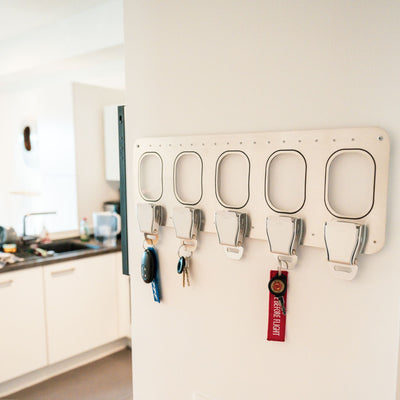
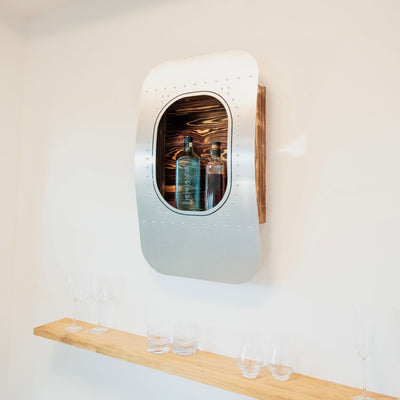
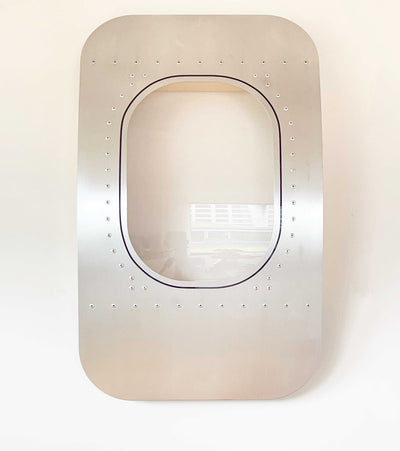
There are few shapes that are recognized around the world as quickly as an aircraft window. Although it was originally designed purely for functional reasons, it has developed over the decades into a symbol of travel, mobility, and new perspectives. Perhaps that is exactly where its appeal comes from. An aircraft window represents more than just a means of transportation. It symbolizes new beginnings, new destinations, and the moment just before an adventure begins. That is why travel blogs, advertising campaigns, and magazine covers continue to feature this iconic image.
Why Aviation Often Feels Futuristic
Another reason for aviation's lasting appeal is its association with technological progress. For decades, aircraft have symbolized innovation and engineering excellence. New materials, advanced cockpits, and modern cabin concepts often create the impression of looking into the future. This perception also influences other industries. Many products are intentionally designed to evoke similar associations. Smooth surfaces, aluminum, indirect lighting, and minimalist forms are frequently used to express modernity and innovation.
The Connection Between Travel and Design
Perhaps aviation's greatest source of inspiration is not the aircraft itself. Flying is often associated with new experiences, different cultures, and remarkable destinations. People who travel discover hotels, restaurants, architecture, and interior styles from around the world. As a result, aviation unconsciously becomes a bridge between design, culture, and inspiration. Every flight offers the opportunity to bring home new ideas and broaden one's perspective on spaces, design, and lifestyles.
More Than Just Aircraft
Aviation has a far greater influence on modern design than many people realize. From airports and architecture to everyday products, countless design ideas have their origins in the world of flying. Perhaps this is part of aviation's enduring fascination: it combines technology and aesthetics, function and emotion, travel and inspiration in a way that continues to influence design today.

![[AI]](http://aircraftwindows.de/cdn/shop/articles/Geschenkideen_fur_Flugzeugfans_Piloten_und_Flugbegleiter_621c2d5b-2e36-409a-bc6c-0036a8d264c2.png?v=1791097405&width=1193)